Lactation

Leveraging human milk to uncover the biology of the lactating mammary gland

Lactation is a continuation of the profound physiological transformation that begins during pregnancy. During gestation, the mammary gland undergoes extensive hormonal differentiation, immune and tissue remodeling, and metabolic programming—yet its major functional phenotype becomes visible only after delivery.

We study human milk as both a complex biological system and a non-invasive window into mammary gland function.
Milk, Mammary Gland & Child Development

Publications
A Postnatal Maternal–Infant Interface

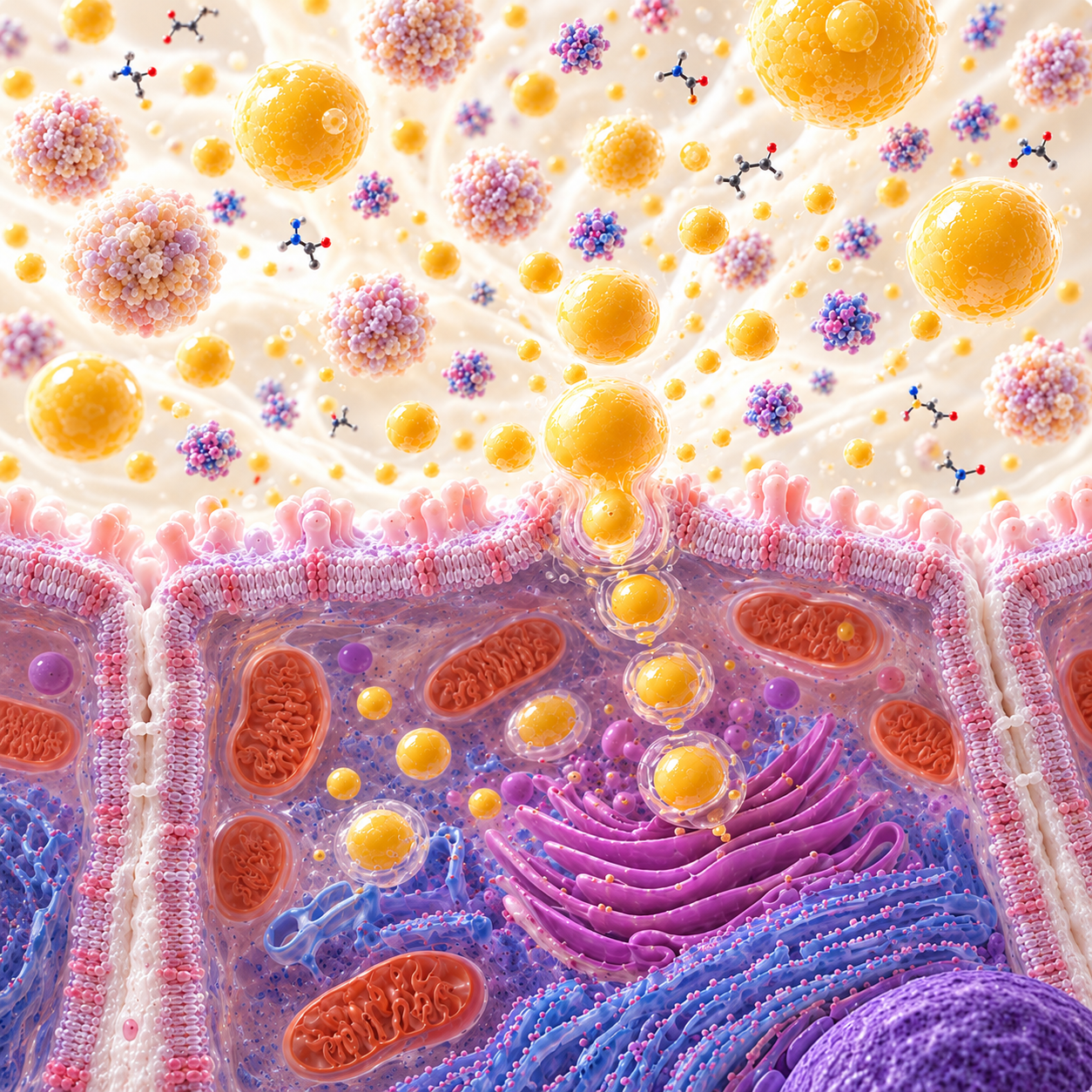
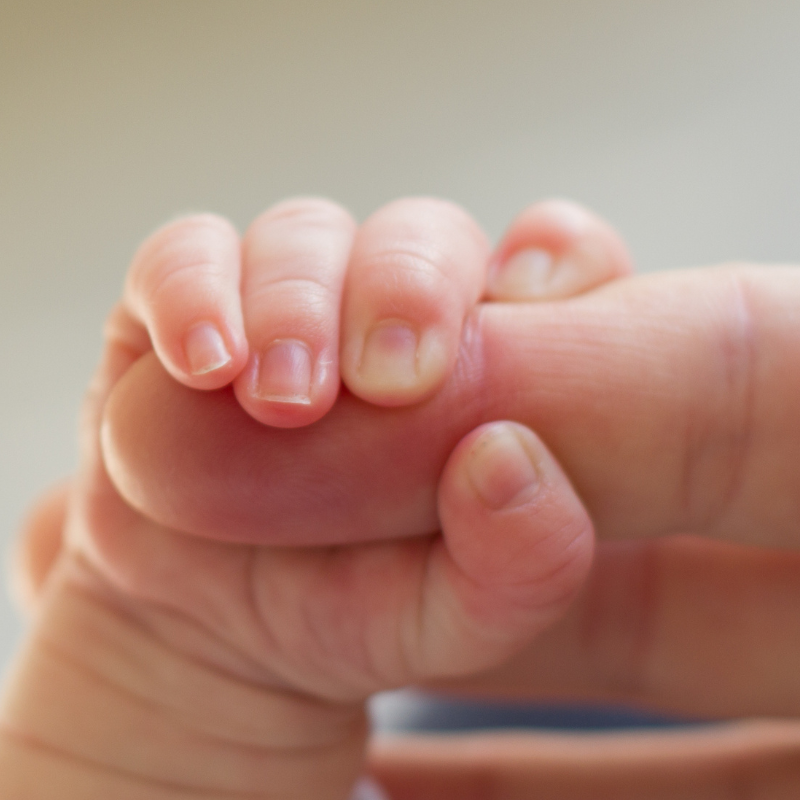
We view the mammary gland as a postnatal maternal–infant interface: an organ programmed during pregnancy that subsequently connects maternal biology and nutrition with the developing infant.

Like the placenta during pregnancy, the mammary gland sits at a critical interface between mother and child. But unlike the placenta, human milk allows us to study this interface repeatedly and non-invasively after birth.

What Is in Human Milk—and Why Does It Matter?

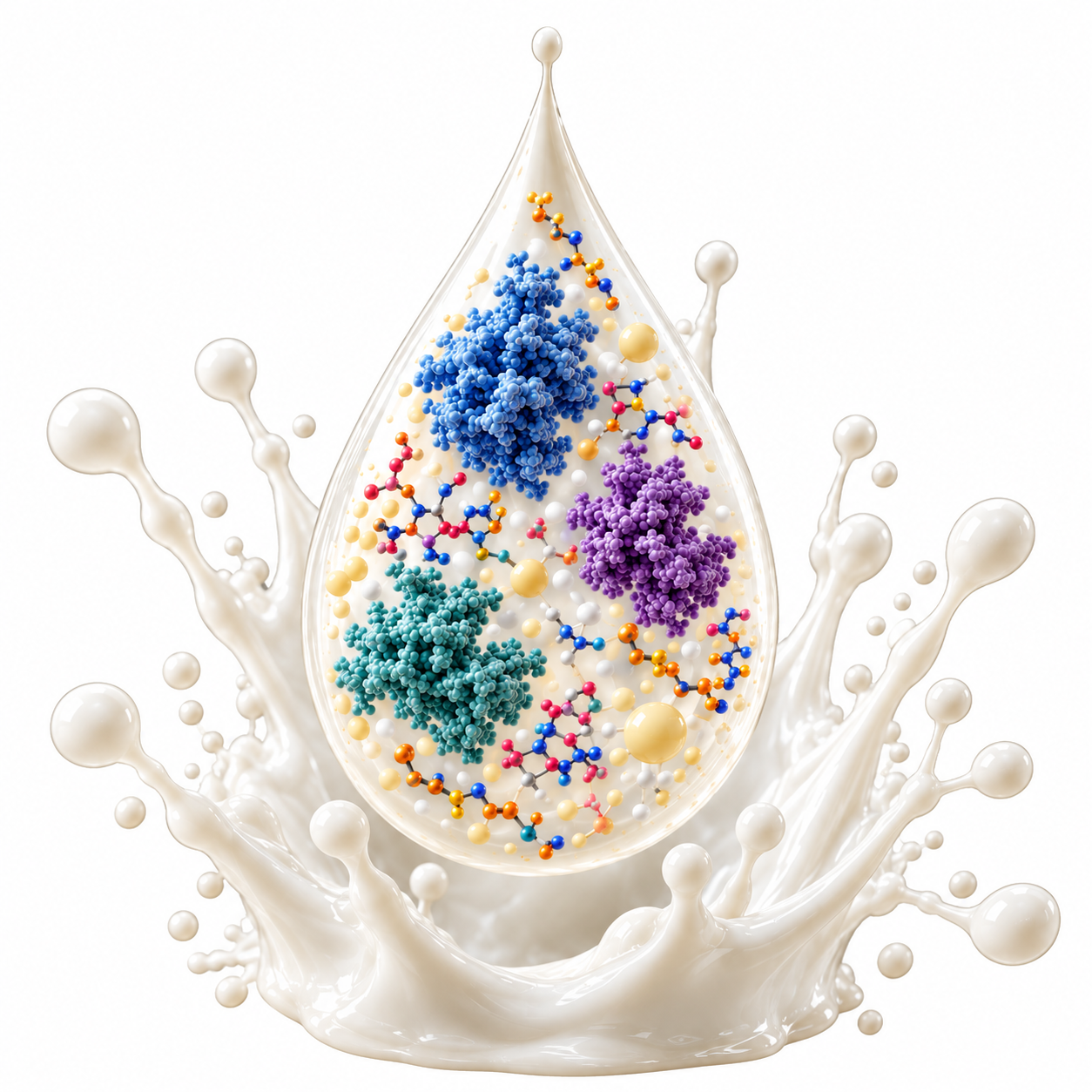
Human milk contains thousands of molecular components, including metabolites, proteins, micronutrients, immune factors, microbes, and signaling molecules. Yet we still understand surprisingly little about how these components are regulated or how they reflect mammary gland physiology.

Across diverse populations worldwide, we study how milk composition varies with:

• Maternal nutrition and metabolism

• Stage of lactation

• Mammary gland function

• Infant growth and development

• Early-life microbiome establishment

A Systems Biology of Lactation

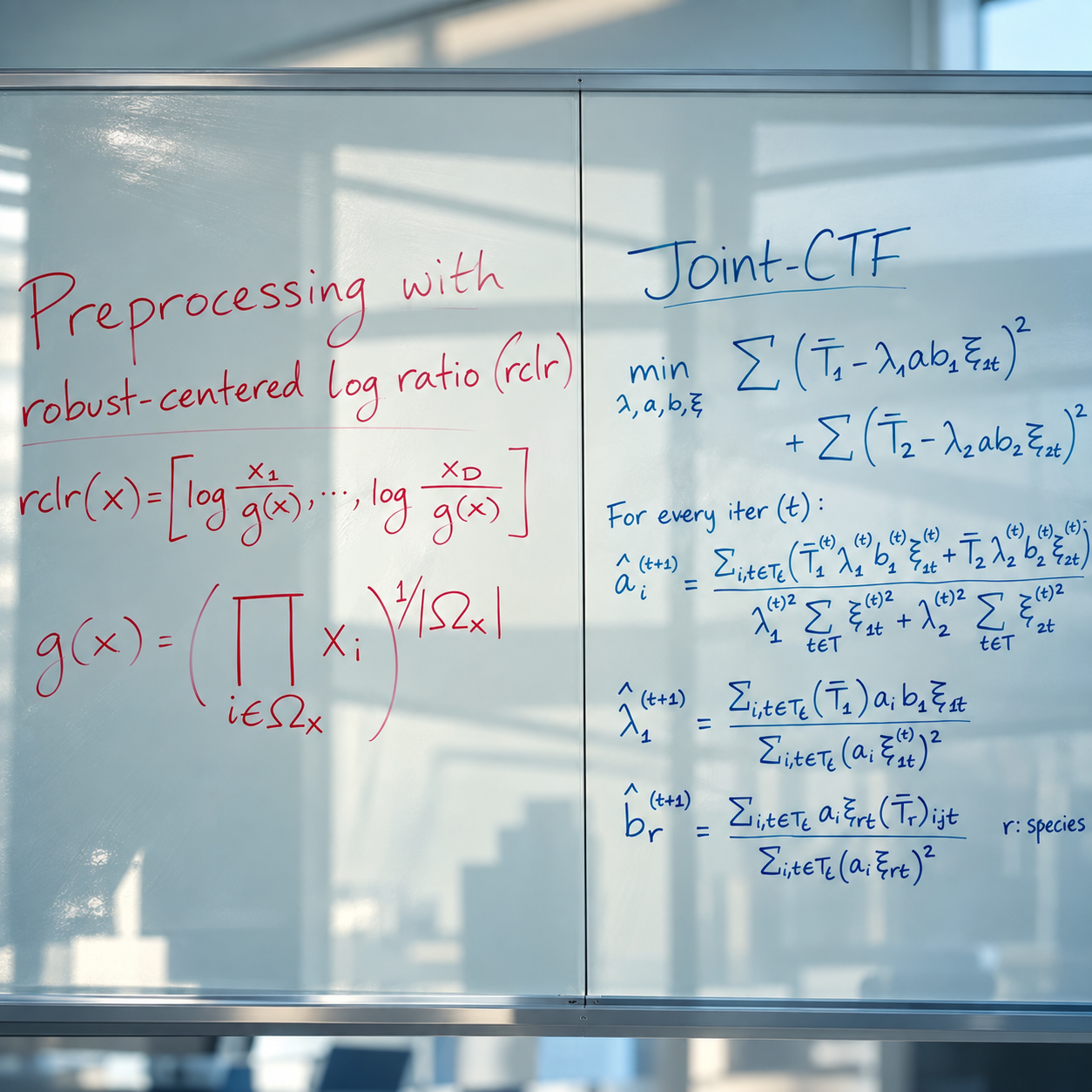
We integrate metabolomics, proteomics, micronutrients, microbial data, and clinical phenotypes to identify coordinated biological programs within human milk.

Our goal is to move beyond describing milk composition and instead understand the biology that generates it: how maternal physiology shapes mammary gland function, how that function is reflected in milk, and how milk in turn influences the developing infant.

Connecting Pregnancy, Lactation, and Maternal Health

Because the mammary gland is programmed during pregnancy and functions after birth, lactation provides a unique bridge between prenatal and postnatal maternal biology.By studying this transition, we aim to understand how metabolic and physiological states established during pregnancy continue into the postpartum period—and how they may relate to both infant development and long-term maternal health.