Fertility

Understanding the biology that shapes reproductive success

Fertility is not a single event, but the outcome of dynamic interactions among the reproductive tract, microbiome, immune system, metabolism, and clinical interventions. We study these systems longitudinally to understand how biological states before and around conception influence reproductive outcomes.

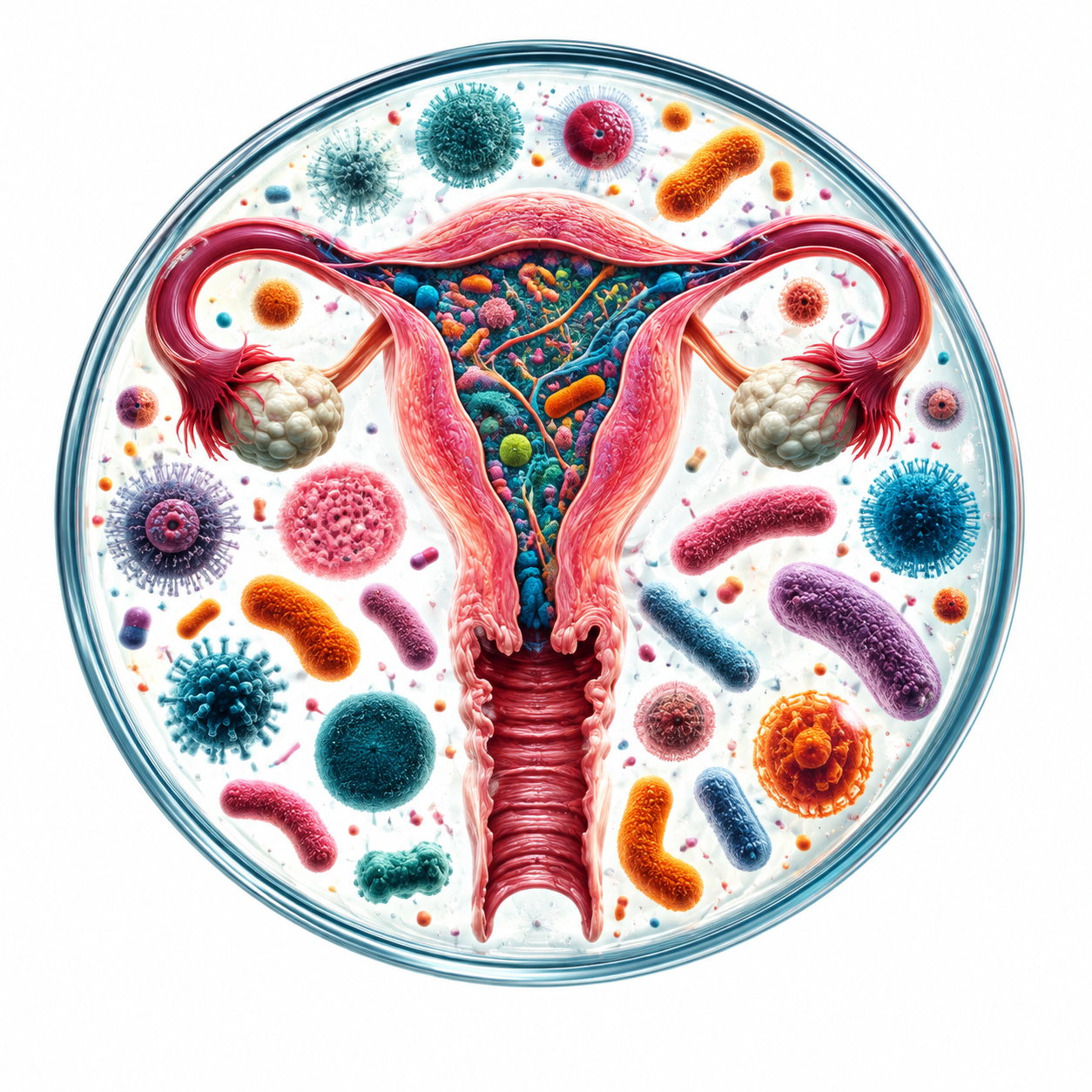
Our work focuses particularly on the vaginal microbiome and molecular environment surrounding assisted reproduction, including IVF. By following individuals over time, we aim to identify biological trajectories associated with implantation, early pregnancy, and reproductive success.
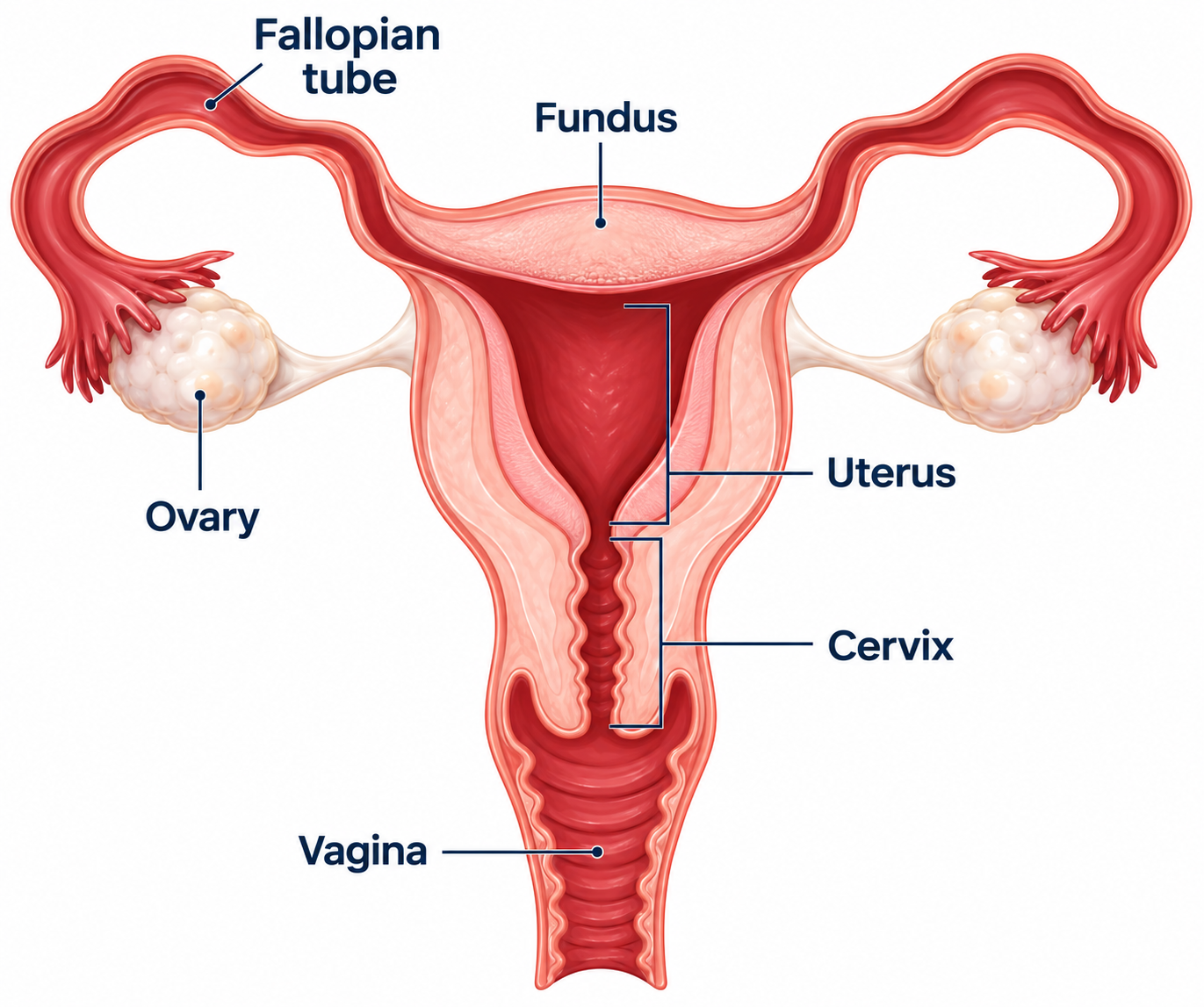
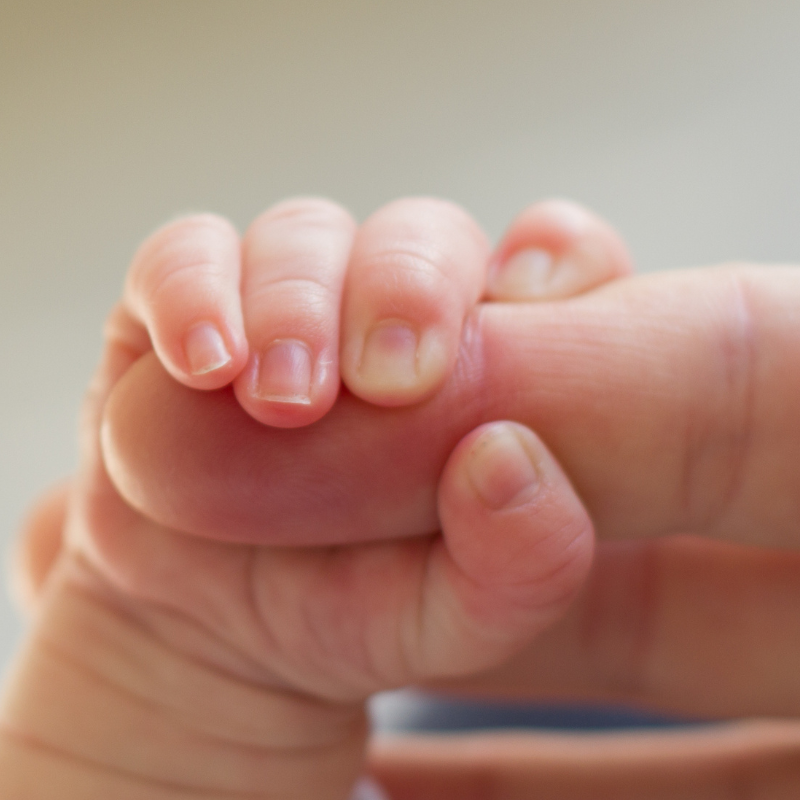
Systems Biology of Fertility

Publications
Why Fertility Is a Dynamic System

The reproductive tract is constantly changing in response to hormones, microbial communities, medications, procedures, and other environmental influences. These changes may shape the conditions required for conception and early pregnancy.Rather than asking only which microbes or molecules are present, we ask how these systems evolve over time, how stable or unstable states emerge, and whether particular trajectories are associated with reproductive outcomes.

What We Study

We study questions such as:

• How does the vaginal microbiome change across the fertility and IVF journey?

• Are there microbial or molecular states associated with implantation and pregnancy?

• How do clinical interventions reshape reproductive tract ecology?

• Can longitudinal patterns reveal biological signals that static measurements miss?

Our Computational Approach

We develop and apply time-series models, machine learning, ecological and evolutionary frameworks, and multi-omic integration methods to characterize reproductive biology as a dynamic system.

Our goal is not only to identify predictive signatures, but to uncover interpretable biological relationships that help explain why reproductive outcomes differ among individuals.

Connecting Fertility to What Comes Next

Conception marks the beginning of a much longer biological trajectory. By studying the reproductive environment before and around pregnancy, we aim to understand how the earliest maternal states connect to pregnancy progression and later maternal and infant health.